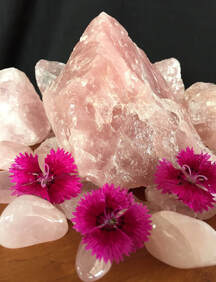
Use a large rose quartz as a centerpiece.
Can't get a large rose quartz on short notice? You can wear a pendant or bracelet made with rose quartz or gift it to a family member. Another option is to keep a small tumbled rose quartz in your pocket.
For more crystal tips like these and to learn more about rose quartz, sign up for one of our online and in-person crystal classes. to learn more, visit https://www.mywealthinhealth.com/crystal-healing-classes.html .
0 Comments
Check out this NEW self-care podcast interview I did with Lucy Byrd Hope of Wholism! Available on Apple Podcasts and Spotify.
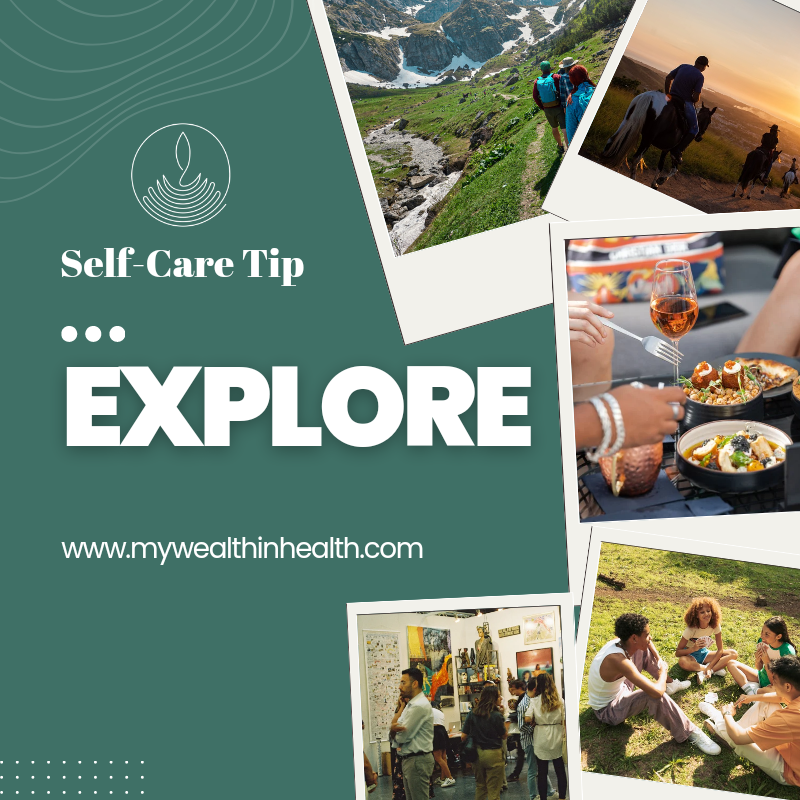 There may be parts of your authentic self that are yet to be discovered. That is because you have not had the experiences that will reveal those parts to you. Repeating the same life day-in-day-out robs you of the chance to have those experiences. So, don't wait on them to come to you. You can go to them.
 Living in a state of chaos can shape our definitions of survival, purpose, and love. For some, doing everything possible to cut out chaos is how we show love.
Shirzad Chamine, the author of “Positive Intelligence”, explained that growing up in chaos and unhappiness can drive a person to always want to do everything well. Fixing problems, making other people’s lives easier, and making people happy will make you happy. The concern with that idea is you cannot control what makes other people happy and to what extent. You may spend time doing a lot for other people that does not make them happy, which then makes you unhappy.
Check out this podcast interview I did with Rhumel and Twanda of "Girrrl... Can I Ask You Something?" It's all about angels and the roles they play in helping us in our lives.
For angel intuition services, visit www.theearthangelpath.com .
To learn more about angels and how to connect with them, click here to join the next With the Help of Angels workshop. For general questions or concerns, call or text me at (919) 937-2512. For more podcast episodes from Girrrl... Can I Ask You Something?, visit https://girrrlpodcast.com .  Have you ever thought of someone, and that someone then call you 2 minutes later? That is not a coincidence. That is life force energy at work.
We are surrounded by life force energy. We are also made up of life force energy. It exists even in the vacuum of space. There are no energy-free spaces in the universe. Because of this, we can use life force energy to have an effect on another person across distances. Think of life force energy as a pond. Disturbing the surface of the water at one end of the pond creates a ripple that spreads out across to the other end. The same thing happens with life force energy. That person who called you right after you thought of them responded to the ripple you sent through the life force energy around us. You created the ripple when you thought of them.  Living our authentic self means honoring all parts of who we are. That includes our thoughts, feelings, and emotions. They allow the soul to express itself in this world. We tend to bury our thoughts, feelings, and emotions to please our family, friends, and society. We do not express happiness so that others don’t get jealous. We do not show sadness so that we don’t seem ungrateful. We hide our grief so that we don’t worsen someone else’s grief. We cover up our anger so that others don’t feel unsafe. By doing these things, we also bury who we truly are, the authentic self.
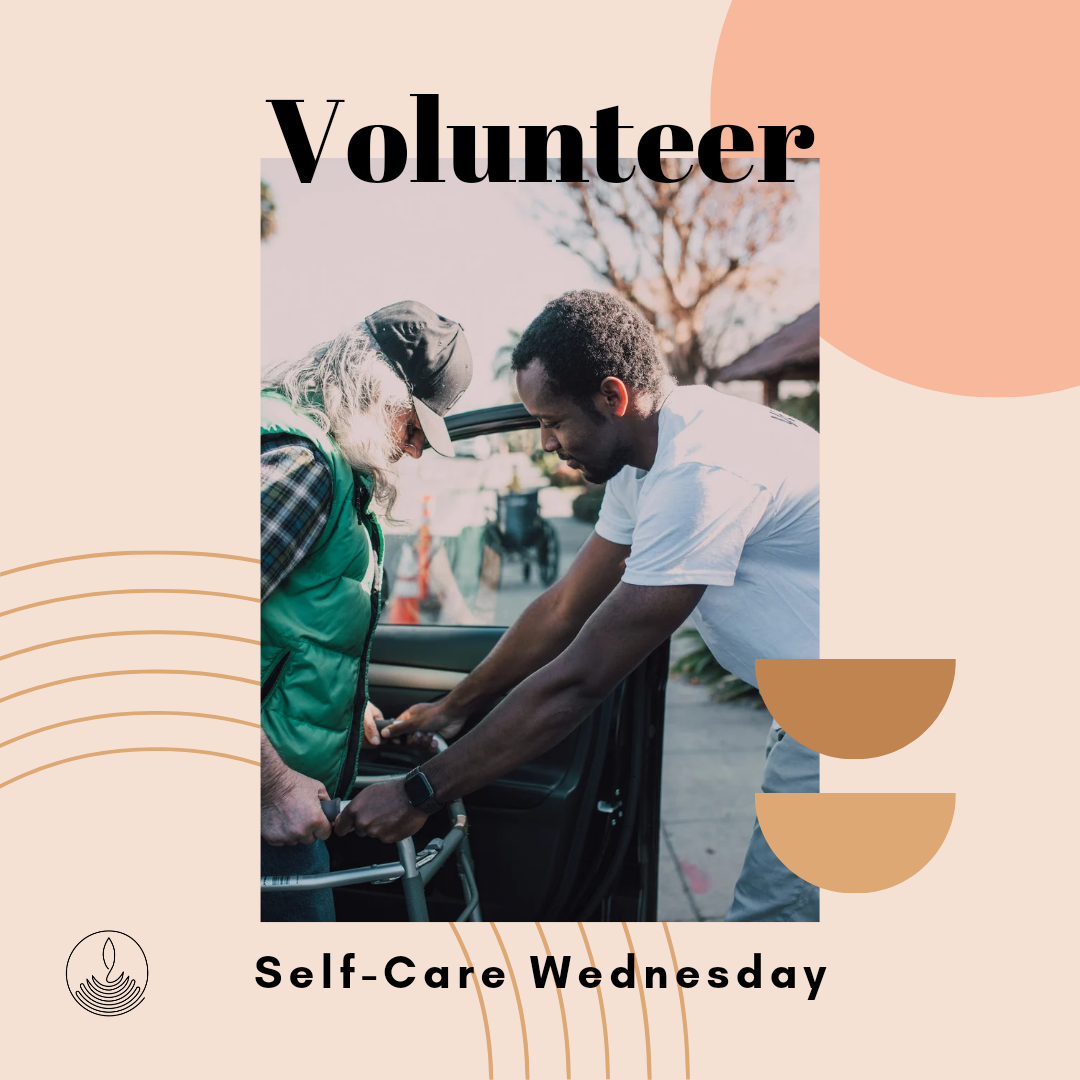 A big part of our mental well-being is feeling of value to the world. Our authentic self wants to live life with purpose that makes a positive impact on others. One way to do that is by volunteering.
There are so many needs in a community that can be met with just an extra pair of hands. From walking dogs at an animal shelter to mowing the grass of a disabled homeowner, there are many opportunities for making a meaningful difference in the lives of others. Even using 5 minutes a week to take the trash out to the curb for pickup would mean so much to an elderly neighbor who struggles to lift small objects.  Finding out a loved one has died is like a detonated bomb that damages the boundaries of presence.
You have a sharp moment when you are present (finding out the person died). It creates a pain so big and powerful that your mind and soul cannot contain it. That pain explodes, creating heartbreak.  Each culture has specific expectations of each demographic: men should be physically strong; women should cook; teenagers should get good grades in school; and children should be seen, not heard. The problem with having specific expectations of whole sections of society is that it's unrealistic.
|

picture by Kuhn's Photography
AuthorKelly Nembhard is a certified health coach, Reiki therapist, crystal healer, and aromatherapist with experience as a clinical research professional and developmental biologist. She currently lives in Durham, NC. 
Archives
December 2023
Categories
All
Any medical information published on this website is not intended as a substitute for informed medical advice. You should not take any action before consulting with a healthcare professional.
|

 RSS Feed
|
© 2019-2023, My Wealth in Health. All rights reserved.
|

|
website designed by Kelly Nembhard
|